The New Dietary Guidelines & Ultra-Processed Foods
Explaining the NOVA Classification and ultraprocessed foods without fear to tell you what you really need to know.
I wrote this article in partnership with Growing a Healthier America, an organization helping families feel confident about their food by connecting real stories with reliable facts.
The internet hates ultraprocessed foods.
But like MOST things when it comes to misinformation and the internet, what you see online and what is true do not match up. The biggest thing missing in these conversations is EDUCATION, without bias, and unfortunately that is not what gets the most clicks, comments and shares.
But the RAGE BAIT does so when they say things like “Ultraprocessed foods are fake and unhealthy and causing the obesity crisis in our country” people have a common enemy they cheer for and fight against.
This fight against UPFs (ultraprocessed foods) without truly understanding or educating about FOOD in general, simply fuels public distrust in the food system and provides the perception that food makers hide things from the public like ingredients while also pushing the narrative of “profits over people.”
But what if “processing” was purposeful?
What if processing also provided safety, access and nutrition for more people.
I truly believe that education allows people to make choices and everyone has the right to make their own choices once they understand.
We certainly do have an access to education gap. But that is for another day.
UPFs are usually in the spotlight, but lately you’ve probably seen a renewed focus on them in discussions specifically around the newest Dietary Guidelines. For some, this has reignited fear. For others, confusion.
And for many, a familiar sense of guilt around foods they already eat.
So let’s slow this down and discuss some facts without fear so that you can decide what is best for you and your family, as that is always the goal.
First, What Are Ultra-Processed Foods?
To understand UPFs we also need to understand the NOVA food classification system, which groups foods based on the degree and purpose of processing, not their nutrient content alone.
There are 4 groups.
Here’s a quick breakdown:
Group 1: Unprocessed or Minimally Processed Foods
Fruits, vegetables, beans, eggs, milk, meat, grains, foods close to their natural state.Group 2: Processed Culinary Ingredients
Oils, butter, sugar, salt, ingredients used to prepare foods.Group 3: Processed Foods
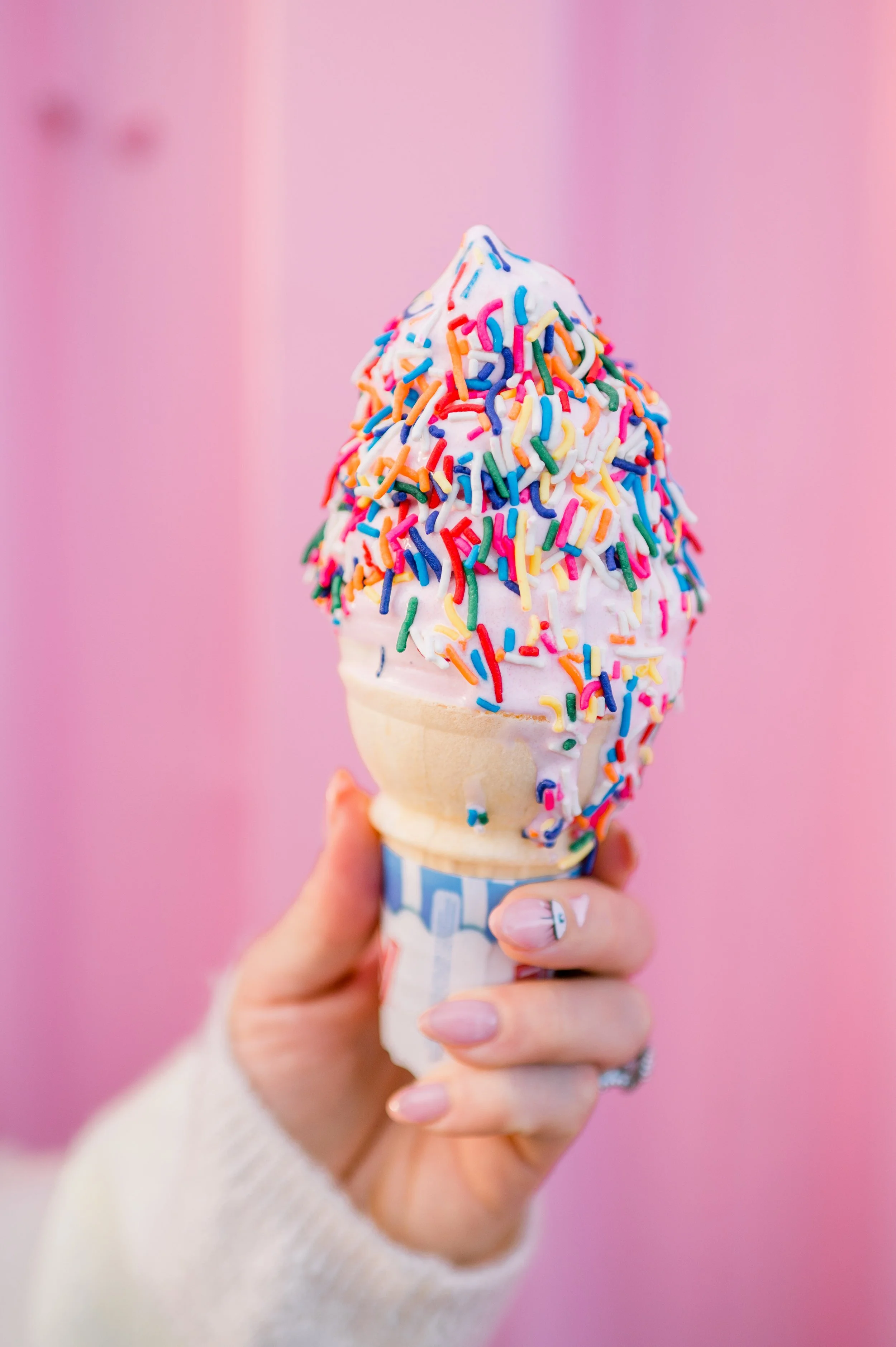
Bread, canned vegetables, cheese, yogurt, foods made with a few ingredients and traditional processing methods.Group 4: Ultra-Processed Foods (UPFs)
Foods made with industrial processes and ingredients you wouldn’t typically use at home: packaged snacks, sweetened cereals, frozen meals, sodas, protein bars, and many convenience foods.
This classification system is often misunderstood as a moral ranking, and it's not. It is simple and factual showing degree of change of food essentially.
I do want to point out here as well, that a supplement like creatine, protein powder, and any of the other supplements being sold and promoted by the wellness industry while simultaneously discouraging “processed foods” would also fall under group 4 depending, as a lot of purposeful processing is done in order to take whey protein from a cow and create a powder…do with that what you will!
What the Media is Saying…LOUDLY
MAHA’s report and the latest Dietary Guidelines tout “real food” as the solution to health. They state that a diet centered on “whole foods” is linked to decreased rates of chronic illness. Whereas this is not something I disagree with, what we don’t address here is the HOW, per usual.
The renewed attention to ultra-processed foods puts them in bad light also per usual, but the truth is what many miss is that patterns matter, a lot. As do behaviors which are things we, as dietitians, can help directly impact.
Here’s the thing, most of us out there probably agree on this main point: to eat more colorful and whole foods, but there is too much emotion around these conversations.
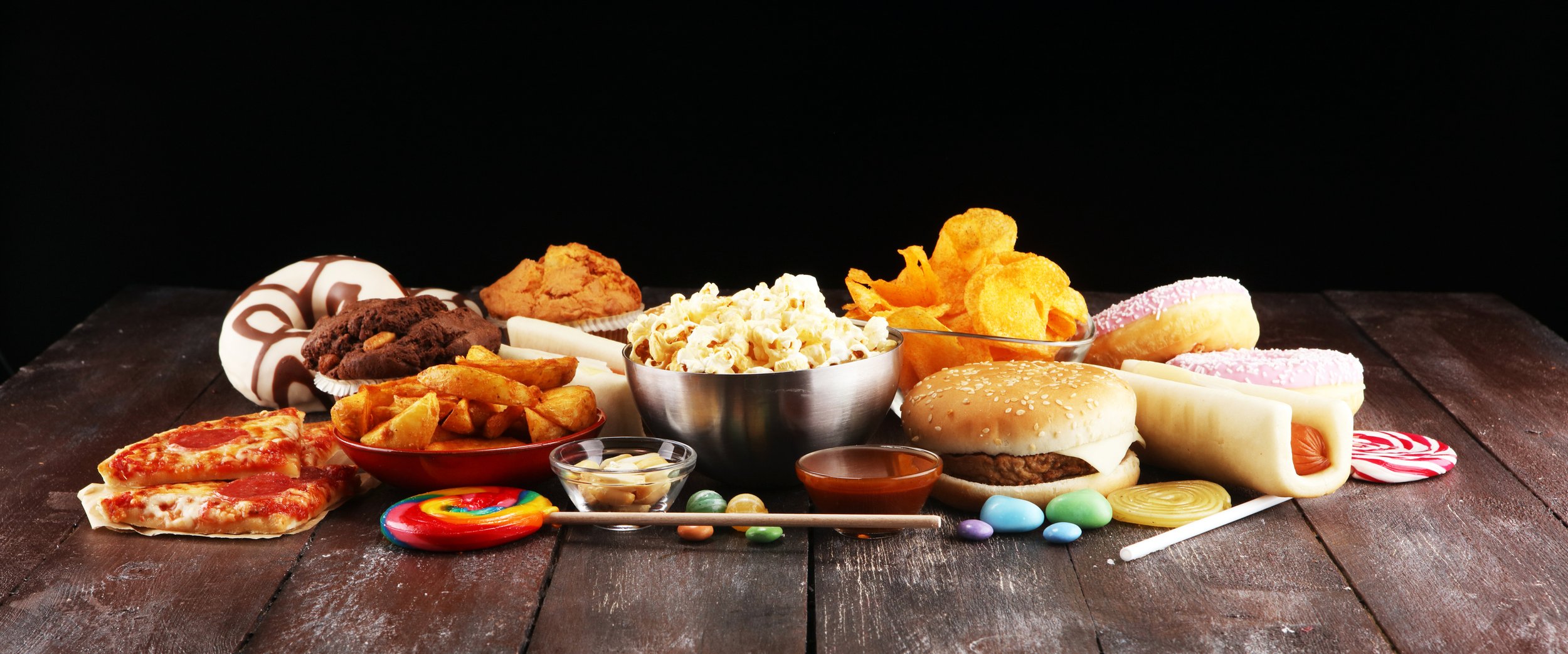
Where we can also mostly agree is this, UPFs were never intended to make up the majority of anyone’s diet, and they never have been historically.
As a dietitian, when I speak with clients or the public about UPFs I try to convey a few messages.
Healthy means something different to EVERYONE and healthy as a definition can change depending on stage of life, health status and more.
The use of processed and ultraprocessed foods for many cannot be avoided, and they truly shouldn’t be - it is more often than not that processed foods can provide convenience for a person and a family and can be the bridge that ensures they are fed (which arguably getting enough calories everyday is up there with importance of where they come from).
Swearing off UPFs all together is truly not realistic, instead understanding how to ADD nutrition to UPFs or how to incorporate more home cooked meals at home while also giving permission to use what is needed, when needed to preserve mental health is incredibly helpful.
It feels important to share this now since many are referring to the “old food pyramid” that was discontinued in 2011, as well, but the top of that pyramid had fats and sweets with a note “use sparingly.” If “ultra processed foods” were at the top of THAT pyramid it was never promoting them as the main source of anyone’s diet. That NEEDS to be said and I hope it is heard.
And just to continue here, on the MyPlate image that replaced that pyramid in 2011, it shared what to eat from a food group perspective providing options and allowing people to put what they had access to into those spots, in my humble opinion it was and is a way more palatable way to understand nutrition and health.
When it comes to understanding ultraprocessed foods it is important to understand a few things.
Access, the social determinants of health as a whole, affordability and education play a huge role in how people choose to feed themselves. There are systems that need to be addressed to change the access and affordability of “whole or real” foods mentioned from the top but until that happens it is the education that is most important.
So here’s the thing, the concern of consumption of UPFs arises when these foods displace:
Fiber-rich foods
Fruits and vegetables
Whole grains
Adequate protein
Cultural and home-prepared meals
When they are the only thing consumed in a diet
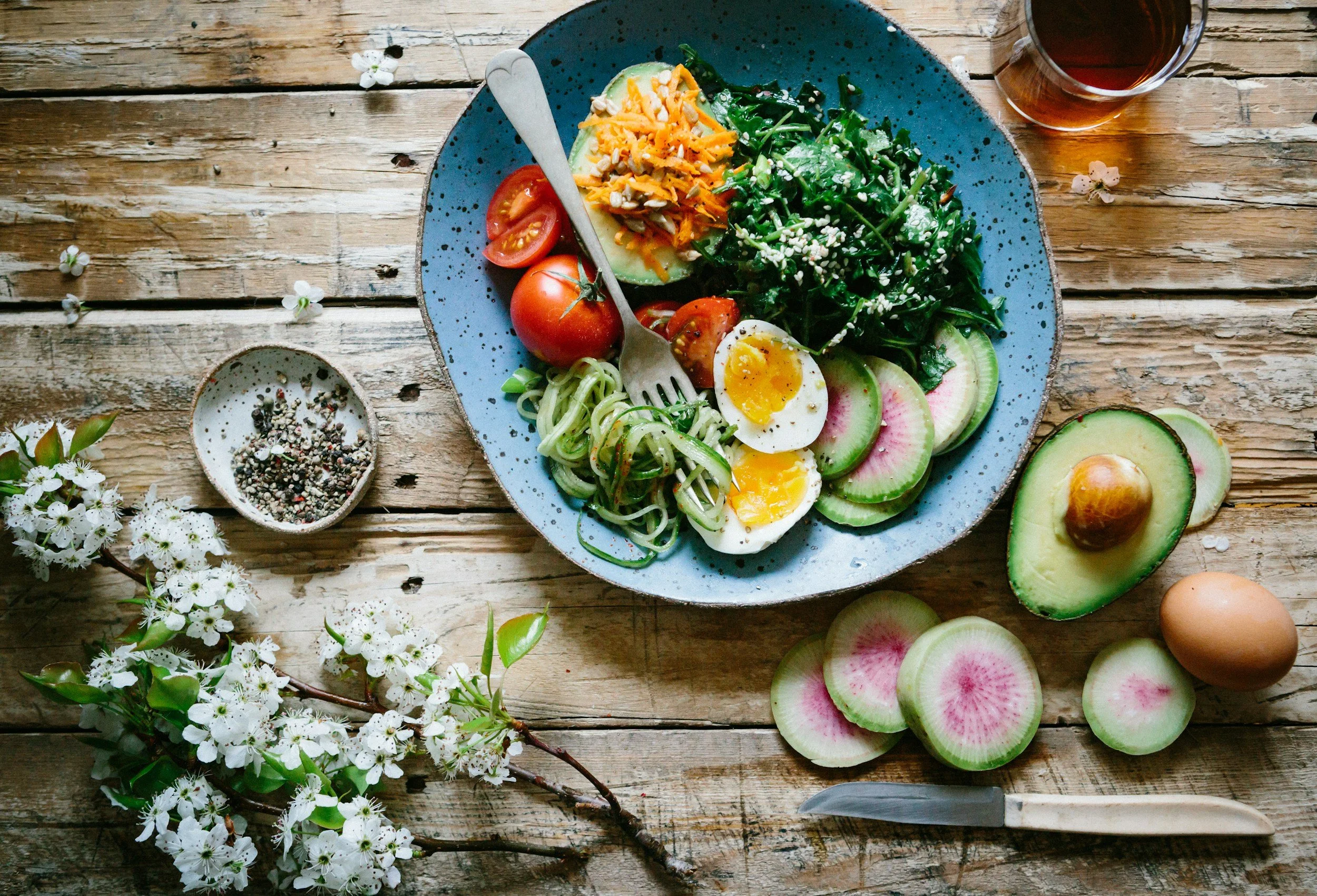
UPFs also tend to be more affordable and more accessible than many “real or whole” food options. Ensuring you leave your home everyday prepared with food for the day for some is second nature, for others requires a little learning and new habit formation or new behavior change that can support this planning ahead. Acknowledging here too that it takes privilege to have the access and also the time. In a perfect world we would all do this! In a realistic world every one of us can make a goal to try to do more of this and give ourselves grace when it doesn't always work out. Having the wherewithal to also know that one day, one meal, one snack or even a week or month isn’t the end all be all especially when our habits and behaviors overall are strong.
That’s the context that often gets lost online.
Where the Internet Gets It Wrong
A lot of messaging around UPFs implies:
“If it’s ultra-processed, it’s harmful” BUT LOL NOT IF IT’s a SUPPLEMENT SOLD BY AN INFLUENCER
“Eating UPFs means you’re unhealthy”
“You should eliminate them entirely”
None of that reflects how nutrition science or real life actually works.
Ultra-processed foods exist for reasons:
Convenience
Accessibility
Cost
Shelf stability
Time constraints
Enjoyment
And for many people, they are a necessary and realistic part of eating.
Processed foods can be parts of meals, they can make meal times easier, they can get food on tables faster, they can replace meals or be ingredients in meals and that doesn’t make them bad.
Take the mom that works all day then does the pick up and drop off game after school and walks into the house at 5pm with multiple hungry kids in many phases of the “witching hour.”
Mom has meal prepped a box of higher protein pasta (processed), and has a jar of tomato sauce in the fridge (processed) and chicken sausage in the fridge too that she can cook quick in the air fryer (processed). She also knows her kids aren’t loving veggies right now but love apples and berries so she washes those and slices them while the sausage is cooking. She heats the pasta with the sauce, adds in the sausage and plates it next to the berries and apple slices and dinner is done in 10 mins before chaos ensues from hangry kids.
Is this meal not healthy because she relied on quicker, boxed or even potentially frozen options?
Do the nutrients from the fruit or sauce or pasta or sausage disappear because she didn't grow the tomatoes herself?
Is this meal healthier than take out?
Is this meal healthier than starvation?!
I mean think about this, critically.
Taking away “processed foods” from the standard American family leaves us where?!!?
Adding shame to the mom that is already underwater trying to keep everyone fed, happy and healthy, is this helping her?
I mean I am the mom in this scenario, but replace the sausage with frozen chicken nugs lets be honest. And for the record 8 out of 10 times the nugs are dino shaped.
And I am proud of that. My kids are fed and happy.
The Missing Piece: Fear vs. Neutrality
Here’s what we know from both research and clinical experience:
👉 Fearing foods does not reduce intake long-term. In fact if we want to be critical about it, it likely makes you more out of control around them and when you are around them you eat in excess which COULD remove the health promoting aspects of the food.
👉 Restriction often increases desire and overconsumption.
👉 Neutrality supports regulation.
When we remove fear and moral judgment from ultra-processed foods, something interesting happens:
People eat them more intentionally
Portions naturally regulate
They’re no longer the “forbidden” food
Overall diet quality improves because there’s room for balance
Ironically, the more we demonize UPFs, the more power we give them.
I hate that MAHA kind of took my tag line but what I have always said is that my goal in my career is to help people make food more fun again (I feel like I can’t say it anymore for obvious reasons but I have been saying it since 2017!) that said, learning how to eat in a way that makes you feel good, helps you appreciate flavor and cravings and allows you to have fun with food is the answer and when you can do this you can use UPFs in a way that supports your overall health, happiness and needs without stress.
A More Helpful Way to Use NOVA
Instead of asking:
“Is this ultra-processed?”
Try asking:
“What role does this food play in my overall diet?”
“Am I meeting my fiber, protein, and micronutrient needs?”
“Does this food add convenience, enjoyment, or satisfaction?”
“What foods do I eat most often, not occasionally?”
The Takeaway
Ultra-processed foods:
Were never meant to dominate the diet - if you take a critical look at your diet right now and are like “ugh I eat A LOT of my meals/snacks relying on processed foods” then today is a good day to try and find a way to pick one of those meals and replace it with something more home cooked focus. Trying to change everything at once truly does not work but one meal at a time can create massive change outcomes.
Do not need to be eliminated - hopefully you now understand them more and can take the time to create some awareness around your current habits. Afterall, awareness ALWAYS precedes change and you first have to be aware of your habits to change them.
Are not inherently dangerous - But can easily be overused, no need to fear just understand.
Can coexist with nutrient-dense foods - and usually when they do, food tastes better because satisfaction and ease are involved!
A diet centered around mostly minimally processed foods with room for ultra-processed ones is not a failure, it’s realistic, sustainable, and supported by evidence.
Nutrition isn’t about perfection.
It’s about patterns, context, and relationship with food.
And when fear is removed, balance becomes much easier to achieve.
I hope this helps.
XO!
Jenna
As always, I know there are a lot of places to get your information on line and I am so grateful that you are HERE. My mission is to make food feel a lot less scary and a lot more enjoyable. I truly believe that unbiased education can allow us to make the choices that are best for ourselves and that is where we should start. I hope this helps! For more information custom to you, remember your insurance likely covers nutrition education and we will run your benefit check for you, just click here to get started today!