
Crave Carbs after a Poor Night Sleep? You’re Not Alone!
A dietitian explains why sleep and appetite are connected.
You know what I am referring to, after a night of little or poor quality sleep you wake up and protein is not what you are searching for. The carbs and quick energy are what your body craves, but it’s not a lack of willpower, it’s biology.
Sleep plays a critical role in regulating hunger hormones, energy balance, blood sugar control, recovery, and even the types of foods we crave. When sleep suffers, the body naturally looks for the fastest source of energy it can find: carbohydrates and sugar.
That’s why prioritizing quality sleep isn’t just important for recovery and overall health, it may also help support quality eating habits, energy regulation, and metabolic health overall.
This blog is sponsored by Day/Dream, their pm relax formula is my favorite part of my nighttime routine and I am so excited for you to try it.
The Science Behind Sleep and Carb Cravings
When we don’t get enough sleep, several physiological changes occur that directly influence appetite and food choices.
1. Sleep Disrupts Hunger Hormones
Research consistently shows that inadequate sleep alters two key hormones involved in appetite regulation:
Ghrelin: the hormone that stimulates hunger increases
Leptin: the hormone that signals fullness decreases
This hormonal shift can leave you feeling hungrier overall and especially for highly palatable foods rich in refined carbohydrates and sugar.
One landmark study published in PLOS Medicine found that sleep restriction increased hunger and appetite, particularly for calorie-dense carbohydrate-rich foods.
Your Brain Wants Quick Energy
After a poor night of sleep, the brain perceives an energy deficit. Because glucose is the brain’s preferred fuel source, the body begins seeking fast, efficient energy sources to compensate.
That often translates into cravings for:
Sugary snacks
Refined carbs
Processed foods
Late-night comfort foods
Extra caffeine paired with sugar
Functional MRI studies have even shown that sleep deprivation increases activation in reward centers of the brain when participants are shown less nutrient dense foods. At the same time, areas involved in decision-making and impulse control become less active.
In simple terms: when you’re tired, your brain is biologically wired to seek quick fuel and immediate reward. And you can imagine the cycle becomes hard to break.
Sleep Loss Can Impact Blood Sugar Regulation
Poor sleep doesn’t just affect cravings, it can also impair insulin sensitivity and glucose metabolism.
Even short-term sleep deprivation has been associated with:
Reduced insulin sensitivity
Greater blood sugar fluctuations
Increased fatigue
Higher perceived hunger
This creates a cycle:
Poor sleep leads to fatigue
Fatigue drives cravings for quick energy
High-sugar foods cause blood sugar spikes and crashes
Energy crashes contribute to more cravings and disrupted sleep
Over time, consistently poor sleep may contribute to broader metabolic and health concerns.
Why Recovery Starts Overnight
Sleep is one of the body’s most important recovery tools.
During sleep, the body works to first of all actually REST but also:
Repair tissues
Support muscle recovery
Regulate stress hormones
Consolidate memory
Restore cognitive function
Maintain immune health
Balance appetite and metabolism
Without adequate restorative sleep, the body is constantly trying to “catch up” — often by increasing hunger and driving energy-seeking behaviors.
That’s why improving sleep quality can have benefits that extend far beyond simply feeling rested.
Supporting Better Sleep with a Nighttime Routine
Creating a consistent nighttime routine may help support more restorative sleep and better next-day energy balance.
Some evidence-based sleep-supportive habits include:
Limiting screens before bed
Reducing late-afternoon caffeine intake
Keeping a consistent sleep schedule
Managing stress
Creating a cool, dark sleep environment
Supporting relaxation before bed
For some people, targeted nighttime supplements may also help support relaxation and sleep quality as part of a healthy routine.
How Day/Dream P.M. Relax Supports Restorative Sleep
When it comes to improving sleep, the goal isn’t simply “knocking yourself out.” True restorative sleep requires supporting the nervous system, helping the body physically relax, and creating the conditions for deeper recovery overnight.
That’s where Day/Dream P.M. Relax was designed to fit into a nighttime wellness routine.
The formulation includes a caffeine-free blend combining targeted amino acids, magnesium, calming neurotransmitter support, and herbal botanicals to help the body transition into a more relaxed state before bed.
Some of the standout ingredients include:
L-Glycine for Sleep Quality & Recovery
Day/Dream P.M. Relax contains 3000mg of L-Glycine, an amino acid that has been studied for its ability to support deeper, more restorative sleep. Glycine may help lower core body temperature as well which is an important physiological signal that helps initiate sleep, while also supporting calmness and reducing sleep onset time.
Emerging research suggests glycine supplementation may also help improve perceived sleep quality and reduce next-day fatigue after insufficient sleep.
Magnesium Bisglycinate for Nervous System Support
The formula also includes 225mg of magnesium bisglycinate, a highly bioavailable form of magnesium known for its calming properties. Magnesium plays a major role in nervous system regulation, muscle relaxation, and stress response.
Low magnesium intake has been associated with poorer sleep quality, and magnesium supplementation may help support relaxation and easier sleep onset in some individuals. Day/Dream specifically highlights its role in helping “the brain slow down for easier sleep onset.”
Taurine + GABA for a Calming Effect
The addition of taurine and GABA (gamma-aminobutyric acid) further supports the formula’s calming focus.
GABA is the body’s primary inhibitory neurotransmitter and plays an important role in helping quiet nervous system activity. The formula notes that GABA works alongside magnesium and other calming nutrients to support relaxation and mental unwinding before sleep.
Herbal Botanicals for Relaxation
Day/Dream P.M. Relax also incorporates traditional calming botanicals including:
Chamomile extract
Lemon balm
Hibiscus flower extract
These herbs have long histories of use in relaxation and sleep-support formulations, particularly for stress relief and helping calm a racing mind at night.
Why This Matters for Next-Day Cravings & Energy
Supporting quality sleep isn’t only about nighttime recovery as mentioned it directly impacts how we feel, function, and eat the following day. And as a registered dietitian, this really matters to me for you!
Because poor sleep increases hunger hormones, cravings for refined carbohydrates, and the brain’s drive for quick energy, improving sleep quality may help support:
Better appetite regulation
More stable energy
Reduced fatigue-driven snacking
Improved recovery
Healthier daily habits overall
When the body gets adequate restorative sleep, it’s less likely to spend the next day searching for fast fuel to compensate for exhaustion.
That’s why formulas like Day/Dream P.M. Relax can fit naturally into a wellness routine focused not just on sleep itself, but on recovery, energy balance, and overall health from day to night.
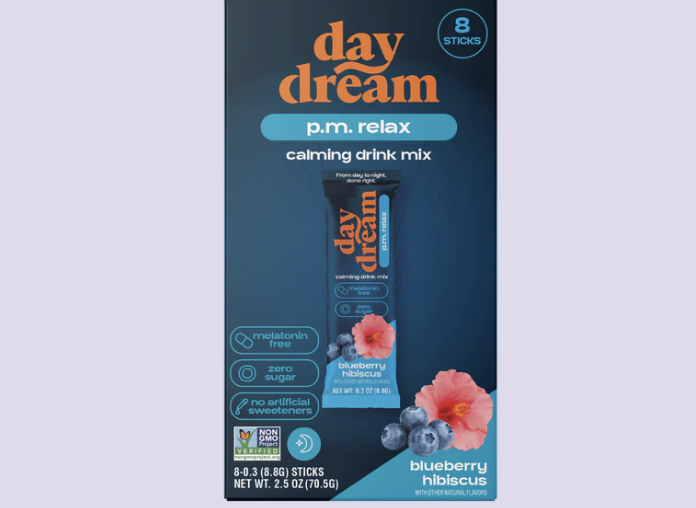
Now you can find Day/Dream on shelves at Wegmans locations and on Amazon!

Hey! It’s Jenna! Owner of Happy Strong Healthy®️, registered dietitian, mom of 3, breast cancer survivor and content creator. I am so grateful you are here and hope you find real life, facts over fear approaches to nutrition to cultivate the happiest, healthiest and strongest relationship with food, body, fitness and self.
Follow along on instagram @happystronghealthy.rd or get in touch via email: jenna@happystronghealthyrd.com